Blog posts from the EcoVapor website. Stay up to date with what’s going on.
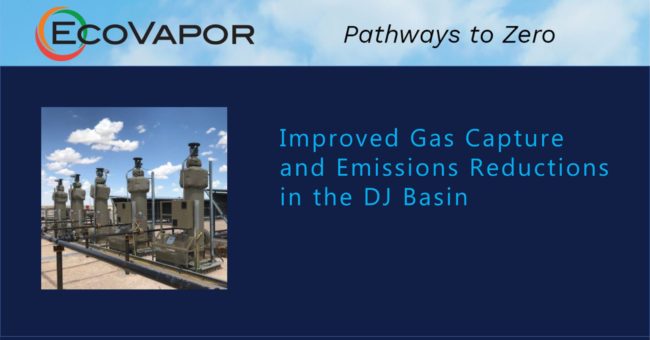
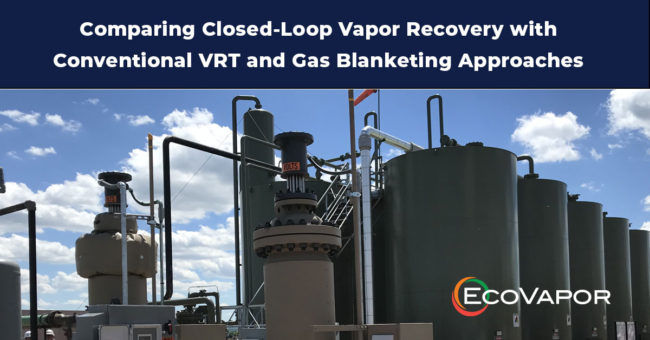
We regularly say that recovered gas volumes increase sharply when all the low-pressure vapor at a site is captured using the ZerO2 solution. Capturing and selling all the site vapor eliminates routine flaring, dramatically reduces emissions, and leads to increased revenue. A DJ Basin operator had been recovering vapor directly from their tank battery,…
EcoVapor is proud of the contribution our innovative technology makes to emissions reduction. We help our clients increase gas capture and reduce the emissions from routine flaring and venting. As we reach mid-year, we’re taking a moment to pause and celebrate that contribution. Based on the volume of vapor that has flowed through our fleet…
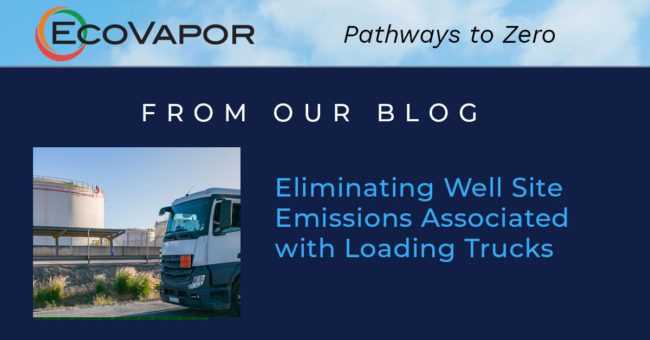
Crude oil and condensate are routinely loaded into transport trucks at well sites and production pads that lack access to a liquids export pipeline. When trucks are being loaded from the storage tanks, vapor is displaced from the trailer as it fills. This vapor is a mixture of hydrocarbon vapor – volatile organic compounds, or…
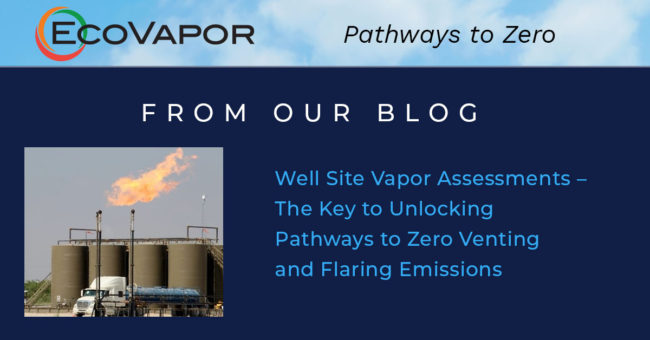
Across the country, operators are scrambling to respond to changing environmental regulations and acute stakeholder pressure to improve their ESG performance. This includes quantifying, understanding, and eliminating the venting and flaring of natural gas at well sites and production facilities. Calls for increased transparency in emissions reporting are also growing, which should further incentivize operators…
Our Industry is under serious pressure to extinguish well site flares and reduce emissions from both flaring and venting. Importantly, we’re also busy repairing our balance sheets after several years of low oil and natural gas prices. If the cost to eliminate routine flaring (allowing occasional flaring for safety if something goes awry at the…
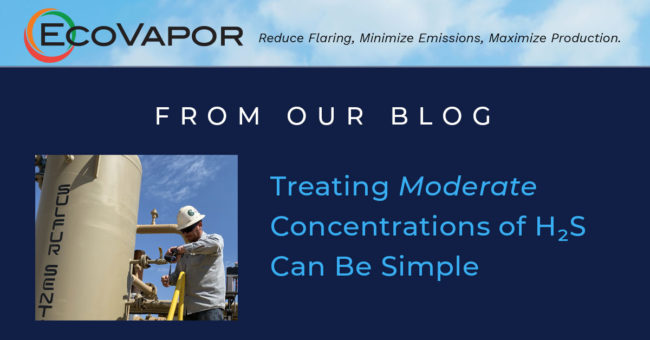
Oil and gas production from many fields contains some amount of hydrogen sulfide (H2S), a poisonous, acidic gas that must be sequestered to avoid damage to downstream equipment and risks to human health. Concentrations of H2S in the production stream can vary from below 50 parts-per-million (ppm) to more than 100,000 ppm (10% of the…
Pressure on oil and gas operators to reduce flaring and emissions is growing, and it’s coming from the public, regulators, and investors alike. While much of the attention is on the flaring of produced gas, venting and flaring of tank vapor is also a significant contributor and frequently occurs 24/7. It’s also a waste of…
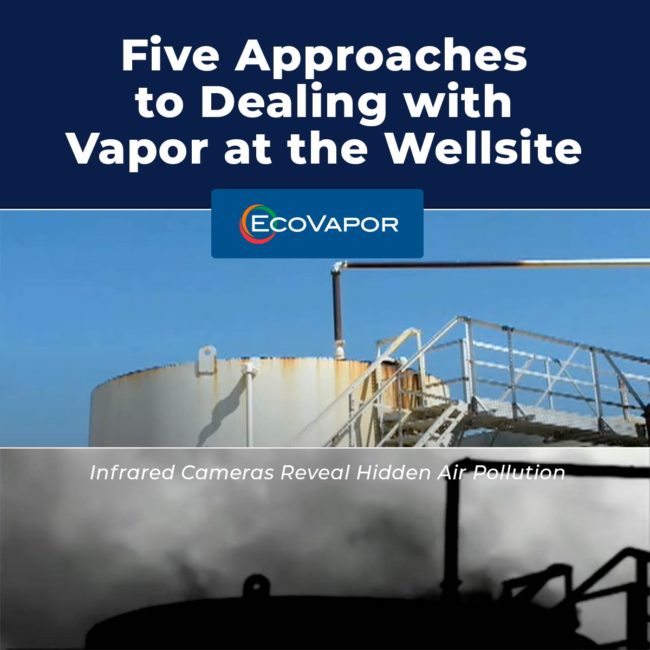
Gas that evolves from produced oil and water at an oil production well site can be a major source of emissions. This blog post covers the most common methods for capturing flash gas from production sites and facilities. We describe five major types of vapor capture techniques, and demonstrate the value of capturing vapors directly…
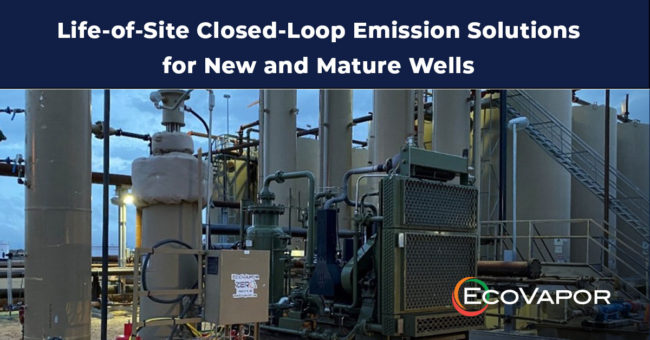
Production from oil and gas wells that target shale reservoirs typically drops by more than 50% within the first 12 months. This presents a difficult challenge for surface facility designers. Equipment specified for the well’s initial production quickly becomes oversized, creating inefficient operations and poor return on capital. Sizing for a lower rate results in…